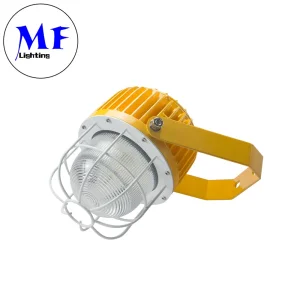
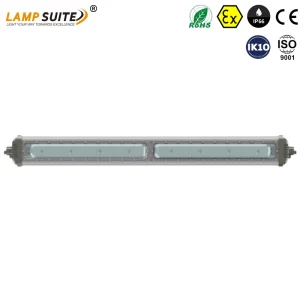
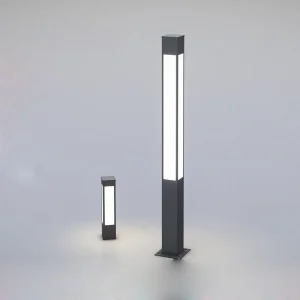
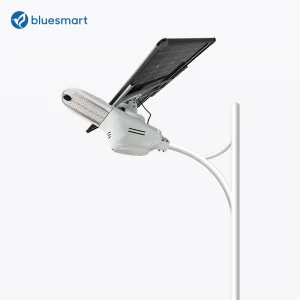
Modern industrial, logistics, and sports infrastructure demands outdoor lighting solutions that transcend the limitations of conventional solid-state lighting systems. The globalization of commercial activities has created an urgent need for multi-purpose illumination capable of withstanding severe ambient stressors while maintaining strict energy-use indexes. At the center of this transformation lies the Modular LED Floodlight—a technological paradigm shift that replaces monolithic design arrays with independent, interchangeable, and dynamically configurable engine pods. By separating the optical and thermal units, these modular structures maximize the system's operational lifetime, ease field maintenance, and drastically lower the total cost of ownership (TCO) for global facility operators.
This technical whitepaper examines the core engineering frameworks, supply chain architectures, and compliance models that differentiate premium modular LED floodlight exporters from standard OEM suppliers. Through the lens of Zhongshan Jamaica Light Co., Ltd., we analyze how regional manufacturing integration, advanced material sciences, and specialized engineering protocols combine to support critical infrastructure projects worldwide. From high-mast sports complexes to explosive-risk petrochemical installations and highly corrosive offshore platforms, modular lighting engineering represents the frontier of reliable industrial illumination.
Utilizing high-density optical packages to yield system-level efficacies of up to 220 lm/W. This significantly reduces active power consumption for high-wattage stadium and terminal configurations.
Engineered to operate reliably under extreme conditions. Structures feature dust-tight, heavy-precipitation, and high-impact resistance with ingress ratings ranging from IP66 to IP68.
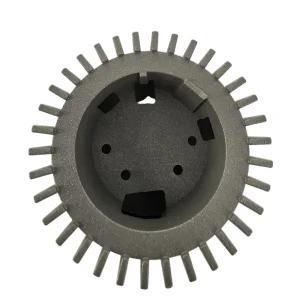
Incorporates patented die-cast aluminum heat sinks designed for passive convective cooling. This maintains junction temperatures below critical degradation thresholds.
Zhongshan Jamaica Light Co., Ltd. is an established LED lighting manufacturer specializing in the research, design, production, and global export of high-performance illumination solutions. Strategically situated in Guzhen, Zhongshan—celebrated globally as the "Lighting Capital of China"—our enterprise benefits from a mature, vertically integrated industrial supply chain and decades of manufacturing experience. We leverage local technical networks, raw material ecosystems, and logistics platforms to deliver reliable and innovative products to the global market.
Backed by a skilled R&D team, highly experienced technicians, and advanced production equipment, Jamaica Light is committed to designing safety-certified, energy-efficient, and long-lasting lighting products. Our core portfolio includes modular LED floodlights, high bay lights, commercial street lamps, linear architectural lighting, and specialized customized fittings. All designs are fully compliant with international safety codes and hold formal certifications, including CE and RoHS, ensuring seamless integration into public, commercial, and industrial markets.
We work closely with engineering contractors, lighting designers, municipal buyers, wholesalers, and retail distributors across major global markets including North America, Europe, South America, Southeast Asia, Africa, and Oceania. Over the years, our solutions have been implemented in complex outdoor projects ranging from multi-sport arenas and high-traffic shipping ports to hazardous petrochemical sites and offshore platforms.
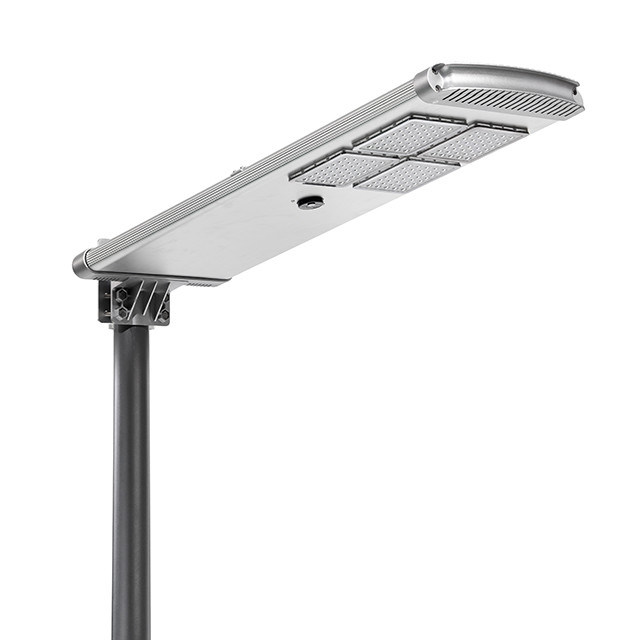
Figure 1: High-efficiency solar hybrid modular light engine undergoes outdoor stress testing.
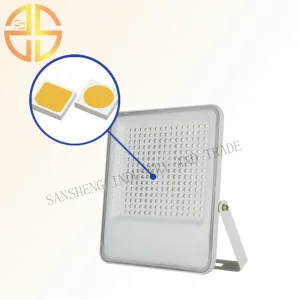
The technical evolution of modular LED floodlights is defined by advancements in high-power semiconductor packaging, thermal interface materials, and smart control systems. Over the next five years, the industry will transition from standard SMD (Surface Mounted Device) arrays to ultra-dense Chip-on-Board (COB) and Chip Scale Package (CSP) configurations. These technologies eliminate wire bonds to improve reliability, increase packing density, and enable smaller optical apertures. This concentration of light output requires matching advancements in thermal engineering to prevent hot spots and maintain stable operation.
Passive cooling design is moving toward dynamic thermodynamic models. Traditional extruded aluminum profiles are being replaced by high-pressure die-cast aluminum enclosures featuring advanced multi-directional fin designs. These optimized surfaces channel hot air away from the fixture regardless of orientation, while phase-change thermal interface materials (TIMs) lower resistance at the junction. Additionally, modular units are designed with open channels between individual engine blocks to harness natural convection. This configuration maintains critical internal electronics at safe operating temperatures, extending the life of the drivers and LEDs.
Future modular installations will serve as active nodes within smart city grids and industrial IoT networks. Built-in DALI-2, Zigbee, and LoRaWAN wireless protocols allow operators to adjust lighting zones dynamically, monitor energy consumption in real time, and perform predictive maintenance. In sports and architectural lighting, the adoption of multi-channel spectral control enables tuneable white light and high-CRI (Color Rendering Index) color tuning. This technology ensures flicker-free, broadcast-ready stadium illumination that complies with international television standards while minimizing light spill into surrounding areas.
| Technology Metric | Current Industry Standard (2025) | Next-Gen Target (2028-2030) | Operational Value Impact |
|---|---|---|---|
| Luminous Efficacy | 140 - 180 lm/W | 200 - 240 lm/W | Reduces active power grid consumption by up to 25% |
| Thermal Interface | Standard Silicone Grease (1.5-3.0 W/mK) | Graphene-Infused Phase Change (5.0-8.0 W/mK) | Lowers junction temperatures to extend L90 operating life |
| Optical Lens Material | Polymethyl Methacrylate (PMMA) | High-Transmission Optical Grade Glass & Silicon | Eliminates yellowing and degradation under high UV exposure |
| Control Protocols | Analogue 1-10V / Simple DALI | D4i / DALI-2 / Wireless IoT Mesh Networks | Enables predictive failure alerts and automated energy profiling |
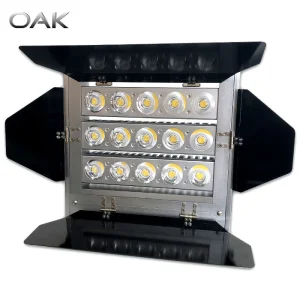
Large-scale infrastructure installations require customized lighting setups tailored to their unique operating conditions. Standard, off-the-shelf floodlights often fail to meet the rigorous demands of specialized industries. By leveraging adjustable beam angles, configurable output packages, and specialized mounting hardware, modular systems allow engineering teams to design tailored systems that optimize light placement, reduce glare, and guarantee long-term operational safety.
Modern sports facilities require high illumination uniformity (U0 > 0.7) and minimal glare to ensure player safety and support high-definition video broadcasting. Utilizing asymmetric lenses, modular arrays concentrate light onto the playing surface while reducing spill into the stands. They maintain high color rendering index values (CRI > 80, TLCI > 90) to prevent stroboscopic effects under high-speed cameras.
Offshore oil rigs, ship decks, and coastal shipping ports are exposed to constant saltwater spray and high winds. For these conditions, fixtures require marine-grade construction, utilizing 316 stainless steel mounting brackets, double-powder-coated conversion pre-treatments, and IP68 hermetic sealing. These components prevent galvanic corrosion and ensure continuous operation during severe storms.
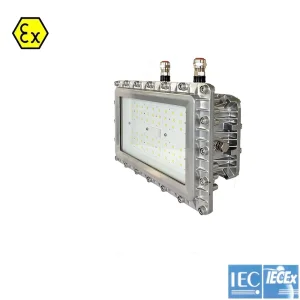
In chemical plants, grain processing facilities, and oil refineries, airborne dust or gases can trigger combustion. Specialized explosion-proof modular lights feature robust, spark-free cast-aluminum housings. These enclosures are designed to contain internal electrical faults and prevent external surface temperatures from exceeding safe limits, meeting strict ATEX and IECEx Zone 1 and 2 standards.
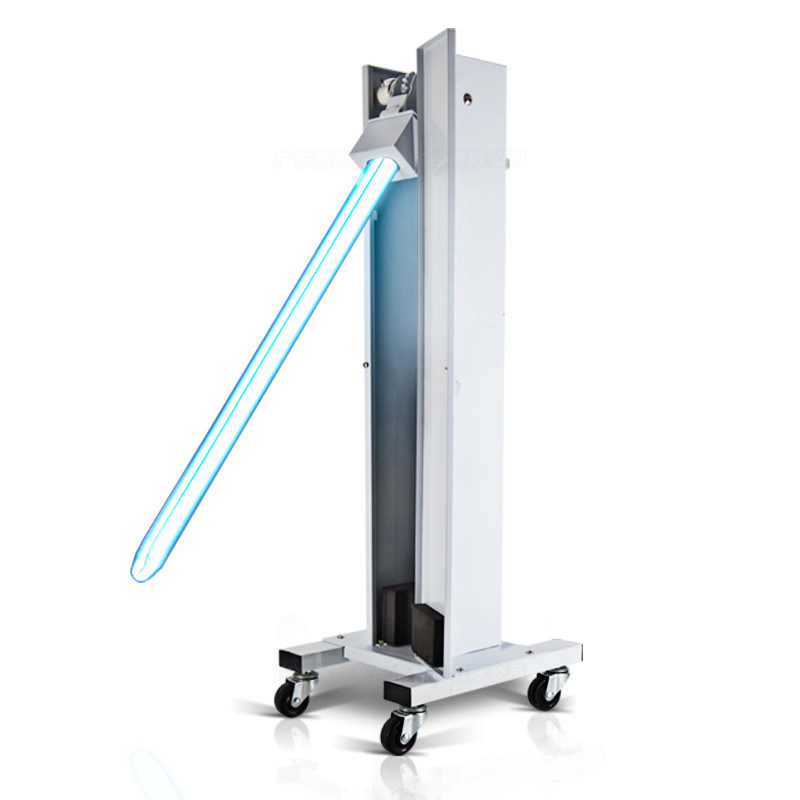
Figure 2: Custom specialty industrial light assemblies undergoing electrical safety and leakage current testing.
Global logistics and construction operations require strict adherence to international safety and performance standards. To enter major industrial markets, municipal tenders, and utility grids, equipment must pass independent, third-party testing programs. Jamaica Light ensures all modular lighting engines undergo rigorous validation processes, verifying electrical safety, electromagnetic compatibility, and long-term photometric performance.
Our verification processes rely on standardized testing protocols. Photometric performance is measured using goniophotometer systems in accordance with LM-79 standards, generating accurate IES files for project calculations. LED longevity is assessed using LM-80 chip data processed through TM-21 lifetime algorithms. This method provides realistic estimates of lumen maintenance under continuous operation. Structurally, our modular units are tested in environmental chambers to confirm IP66/IP67 ingress ratings, impact resistance (IK08 to IK10), and corrosion resistance under neutral salt spray (ASTM B117).
To support global supply chains, our products are certified to meet regional standards. This includes CE-LVD and CE-EMC compliance for European markets, RoHS conformity for environmental safety, and specialized ATEX certifications for hazardous zone operations. By maintaining documented quality controls at every stage, we help procurement managers streamline local import clearance and building approvals.
Manufacturing high-power industrial lighting equipment requires a reliable, integrated supply chain. Situated in Guzhen, Zhongshan, the "Lighting Capital of China," the manufacturing facility of Jamaica Light operates within a dense cluster of specialized component producers. This localization enables the fast sourcing of high-grade raw materials, precision die-cast enclosures, electronic drivers, and optical components, reducing lead times and allowing us to respond quickly to custom project specifications.
Our production floor uses structured manufacturing processes to ensure quality and speed. Advanced high-pressure die-casting machines form the aluminum enclosures with consistent density, minimizing internal voids and maximizing thermal conductivity. Automated surface mount technology (SMT) lines place LEDs on metal-core PCBs with high precision. During assembly, each production step is monitored by automated optical inspection (AOI) systems, which check solder points and component placement before assemblies move to the final wiring stages.
Quality assurance includes automated testing procedures. After assembly, all modular LED floodlights undergo an active burn-in period of 24 to 72 hours, cycling through high-voltage loads and rapid switching patterns. This process helps identify potential component failures before packaging. In addition, our manufacturing setup is designed to adjust rapidly between high-volume production runs and customized ODM batches. This versatility enables us to support global infrastructure projects of any size without compromising lead times or quality.
For B2B buyers and project engineers, selecting a lighting partner involves evaluating parameters beyond initial unit costs. High-power outdoor systems represent significant capital investments where operational costs, maintenance overheads, and long-term durability determine the true value of the procurement cycle. Buyers must analyze the total lifecycle economics of their lighting infrastructure, ensuring that high energy efficiency and low failure rates translate into measurable operational savings.
Compare initial product costs against energy savings and maintenance overhead. High-efficacy modular fixtures (220 lm/W) can reduce energy consumption by up to 40% compared to legacy metal halide lights, lowering long-term operating costs.
Standard 3-to-5-year warranties must be backed by documented test reports. Jamaica Light provides clear warranty structures with active driver replacement policies, reducing downtime during unexpected component failures.
For projects with unique mounting, input voltage, or optical distribution requirements, direct access to ODM services is essential. Our team supports custom mounting brackets, specific driver configurations, and custom color finishes.
 Jamaica Light