A B2B whitepaper on integrating industrial solid-state lighting technology with advanced non-visual photoreception mechanisms to optimize cognitive performance, industrial safety, and biological health across global enterprises.
Modern industrial illumination has undergone a major paradigm shift, transitioning from basic luminous efficacy (measured strictly by photopic lumens per watt) to complex biological optimization. This development centers on Human Centric Lighting (HCL), an engineering framework that targets the non-visual biological pathways of the human endocrine system alongside standard visual acuity metrics. By precisely manipulating relative spectral power distributions (SPD) across specific stages of the operational day, engineered HCL architectures interact directly with intrinsically photosensitive retinal ganglion cells (ipRGCs). These specialized photoreceptors express melanopsin, a photopigment highly sensitive to monochromatic radiation between 460nm and 490nm, which regulates the master biological clock located in the suprachiasmatic nucleus (SCN).
As international regulatory frameworks enforce more stringent health and safety protocols across commercial environments, global buyers and infrastructure engineers increasingly source specialized fixtures from established hubs like Zhongshan Jamaica Light Co., Ltd. Located in the high-density manufacturing landscape of Zhongshan, recognized globally as the "Lighting Capital of China," our engineering department designs and manufactures lighting solutions that integrate visual performance with biological entrainment. This synthesis supports reliable multi-shift operational safety, reduces industrial error matrices, and lowers long-term utility overhead through automated smart systems.
Information Gain Metric: Standard LED systems often cause melatonin suppression during late night shifts or insufficient circadian activation during morning work blocks due to static spectral outputs. True Human Centric Lighting resolves this by dynamically managing the Equivalent Melanopic Lux (EML) and Melanopic Daylight Efficacy Ratio (m-EDI), adjusting illumination levels based on real-time biological needs.
An in-depth analysis of manufacturing capacity, supply chain integration, and precision quality engineering systems at the core of China's professional solid-state illumination hub.
Zhongshan Jamaica Light Co., Ltd. is a professional LED lighting manufacturer specializing in the research, design, production, and global export of high-quality lighting products. Located in Zhongshan—well known as the “Lighting Capital of China”—the company benefits from a strong industrial supply chain and rich manufacturing experience in the lighting industry. This geographical concentration provides immediate access to high-purity die-cast aluminum alloys, specialized optical polymethyl methacrylate (PMMA) lenses, and cutting-edge semi-conductor sub-assemblies, which allows our engineering teams to maintain competitive cost structures without compromising on materials or build quality.
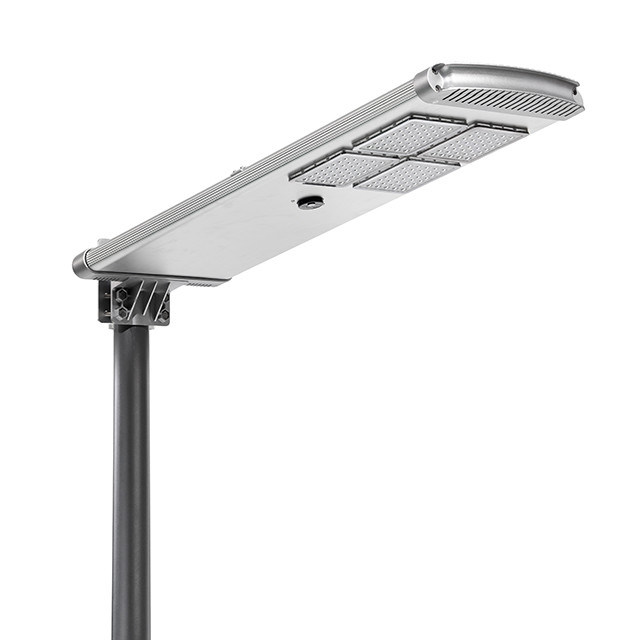
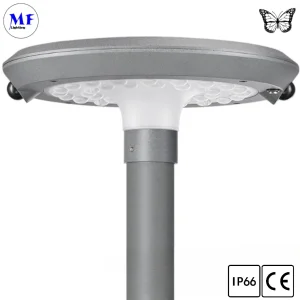
With a skilled R&D team, experienced technicians, and advanced modern production equipment, Jamaica Light is committed to delivering reliable and innovative lighting solutions. Our main product range includes LED flood lights, LED high bay lights, LED street lights, LED tube lights, LED linear lights, as well as decorative and customized lighting for commercial and industrial applications. All products comply with international standards and have obtained certifications such as CE and RoHS, ensuring safety, energy efficiency, and environmental friendliness. Our manufacturing methodology relies on advanced goniophotometric analysis and integrating sphere validation to confirm that each product match its designated spectral power distribution.
From the very beginning, Jamaica Light has adhered to the principles of quality, professionalism, and continuous innovation. We strictly control every stage of production—from raw material sourcing to final inspection—to guarantee consistent product performance. In addition, we provide OEM and ODM services, supporting clients with customized designs and complete lighting solutions tailored to their specific project requirements. Our driver engineering department develops flicker-free, dual-channel addressable constant-current power modules capable of continuous dimming protocols from 100% down to 0.1%, preventing the high-frequency optical modulation that causes neural fatigue and asthenopia in corporate and industrial settings.
Our factory covers an area of approximately 2,000–3,500 square meters and is equipped with dedicated production lines and assembly workshops. We cooperate with lighting manufacturers, engineering contractors, importers, wholesalers, and retailers across global markets including North America, South America, Europe, Southeast Asia, Africa, and Oceania. Jamaica Light has successfully participated in various lighting projects such as street lighting, industrial lighting, airport lighting, and factory illumination projects worldwide. This extensive footprint ensures that our design matrices are adapted to different national electrical safety codes, thermal profiles, and regional lighting distribution preferences.
We pride ourselves not only on product quality but also on efficient after-sales service and competitive pricing, helping our clients enhance their market competitiveness. Many of our long-term partners have been cooperating with us for over a decade, growing from business relationships into trusted partnerships. This structural retention reflects our transparent warranty execution and complete material traceability documentation. Through automated assembly workflows and strict testing protocols, we systematically eliminate early component failures, ensuring high system uptime even in challenging operating environments.
Guided by the belief that honesty is the foundation of sustainable development, Jamaica Light is committed to building long-term, mutually beneficial relationships with customers. Our mission is to become a reliable and respected partner in the global lighting industry, providing high-performance lighting solutions for commercial, industrial, and outdoor applications. In recent years, the company’s annual revenue has reached approximately USD 2–5 million, reflecting steady growth and strong market recognition. Through strategic cooperation, resource integration, and continuous innovation, Jamaica Light is developing into a modern, dynamic enterprise with strong competitiveness in the international market. Looking ahead, Zhongshan Jamaica Light Co., Ltd. will continue to seize opportunities in the rapidly evolving LED industry, enhance product innovation, and provide better services to customers worldwide. We warmly welcome clients from all over the world to cooperate with us and create a brighter future together.
Analyzing global adoption patterns, economic returns, and cross-border regulatory shifts accelerating the transition from basic LED modules to physiologically optimized lighting systems.
The global transition toward Human Centric Lighting across industrial facilities and smart municipal frameworks is driven by clear economic returns and modernized labor standards. In North America and Western Europe, building codes increasingly require adherence to human physiological metrics. For instance, the WELL Building Standard v2 evaluates lighting installations based on their Equivalent Melanopic Lux (EML) ratings and spatial glare control parameters (UGR). Similarly, European standard EN 12464-1 outlines specific illumination guidelines for indoor workplaces, detailing both the required lux levels and variations in spectrum and luminance to manage fatigue during extended visual tasks.
In high-throughput logistics, manufacturing facilities, and automated assembly complexes, shift-work patterns often disrupt workers' natural circadian stability. This mismatch can increase error rates and affect overall operational focus. By partnering with specialized manufacturers like Zhongshan Jamaica Light Co., Ltd., procurement departments can implement tunable-white systems that smoothly adjust from 2700K to 6500K. These configurations optimize high-frequency blue-enriched light spectrums during peak daylight shifts to sustain alertness, while gradually decreasing to warmer, non-disruptive wavelengths during late evening rotations. This strategic spectral modulation maintains visual acuity while mitigating the risks of extended sleep cycle disruption.
Precisely balancing Melanopic Daylight Efficacy Ratios (m-EDI) ensures targeted cortisol stimulation during active operational shifts and supports healthy melatonin cycles during evening transitions.
Seamless integration with DALI-2 DT8, 0-10V dual-channel addressable nodes, and wireless BLE mesh protocols allows for automated light adjustments aligned with localized astronomical clocks.
Ensuring compliance with IEC 62471 photobiological safety evaluations allows our systems to operate within the RG0 or RG1 classifications, protecting long-term retinal health across commercial installations.
A granular evaluation of how customized spectral compositions deliver high visual performance and physiological stabilization across specific, demanding environments.
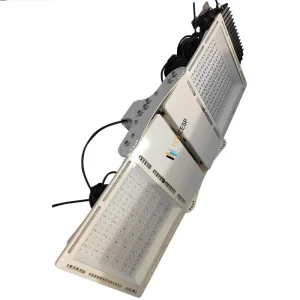
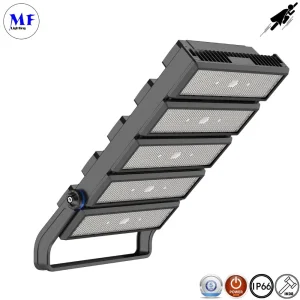
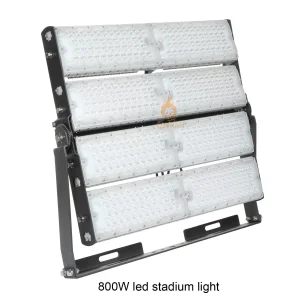
The practical application of Human Centric Lighting demands precise tailoring for individual spatial typologies. In heavy manufacturing facilities and control terminals, illumination must remain consistently uniform while prioritizing high color rendering metrics (CRI > 90, R9 > 50). This high color fidelity ensures operators can quickly identify color-coded wiring, fine thermal fatigue fractures, and precision control instruments. By utilizing high-power modular floodlights engineered by Zhongshan Jamaica Light Co., Ltd., facility specialists can implement macro-level configurations that maintain sharp optical definition without generating harsh shadows or disabling glare (UGR < 19), preserving long-term worker focus across standard operations.
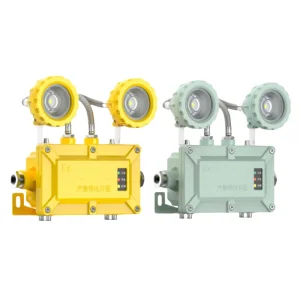
Conversely, in maritime, deep-sea logistics, and hazardous zone applications—which depend on robust infrastructure like stainless steel marine-grade lighting and explosion-proof emergency systems—the primary objective centers on maintaining structural integrity alongside appropriate optical properties. These specialized settings experience intense physical vibrations, corrosive salt atmospheres, and broad temperature fluctuations. Human centric design in these contexts balances required lux levels with clean, stable spectral delivery, preventing early spatial disorientation or visual fatigue while ensuring high system durability during critical operations.
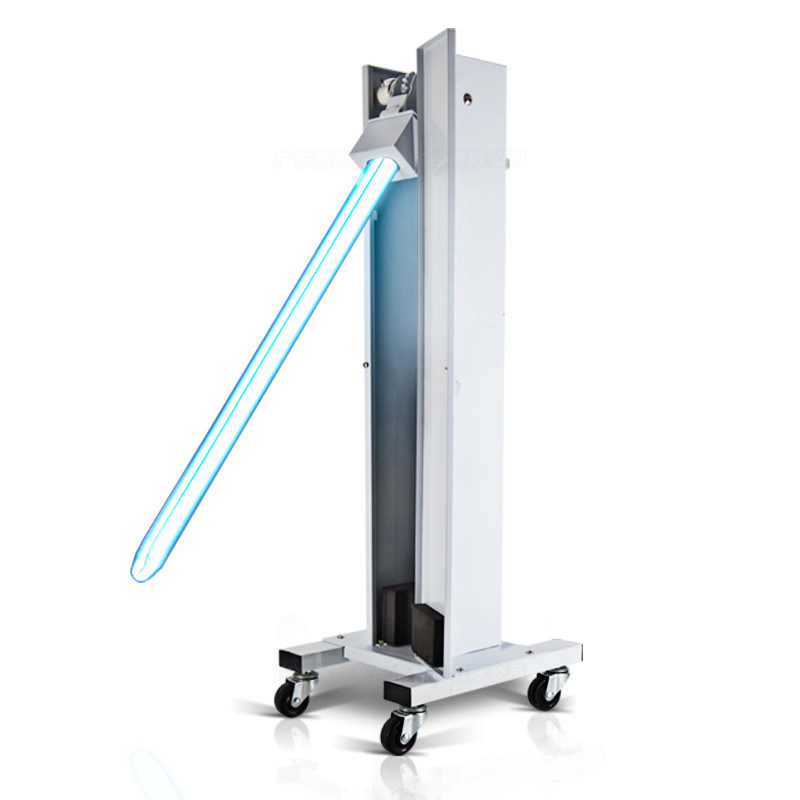
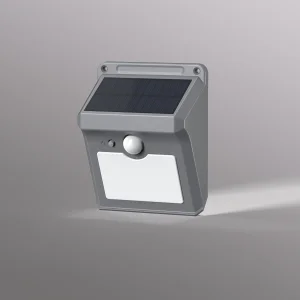
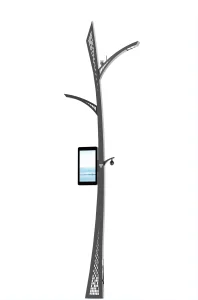
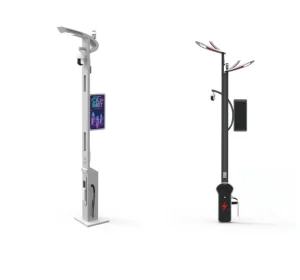
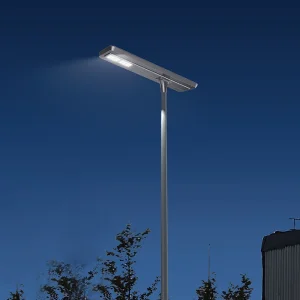
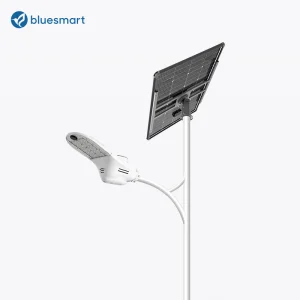
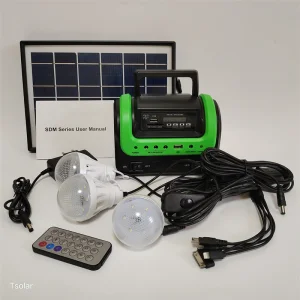
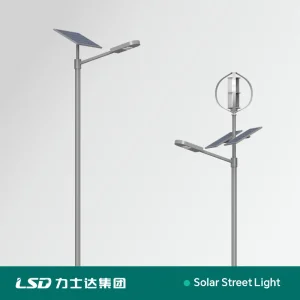
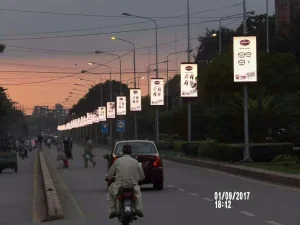
For smart municipal spaces and outdoor industrial zones, human-centric design extends to managing external ecological impacts. Integrating smart solar-powered street lighting and wind-solar hybrid configurations allows municipal engineers to implement precise dimming profiles based on real-time foot traffic and ambient twilight shifts. These intelligent adjustments ensure clear visibility and security for public thoroughfares while preventing light pollution or blue-spectrum over-saturation, safeguarding localized nocturnal wildlife and preserving natural ecosystems.
A strategic projection of forthcoming shifts within the solid-state lighting manufacturing sector, emphasizing automated spectral adaptation and true full-spectrum emitter development.
The solid-state lighting manufacturing sector is moving beyond basic multi-channel LED chips toward automated, adaptive spectral engineering. Over the next decade, the industry will focus heavily on integrating real-time ambient compensation sensors directly into the luminaire assembly. Future systems will feature built-in micro-spectrophotometers that constantly measure shifts in natural daylight and automatically adjust the luminaire's spectral output. This technology ensures a flawless, uninterrupted transition along the blackbody locus, delivering highly precise indoor biological entrainment.
Concurrently, developments in semiconductor manufacturing are accelerating the commercial production of full-spectrum CSP (Chip Scale Package) LED arrays. These next-generation arrays naturally minimize the typical blue-spectrum spike found in traditional blue-pumped LEDs, substituting it with a smooth, continuous spectrum that closely mimics natural daylight across all wavelengths. Additionally, integrating alternative clean energy microgrids—such as advanced solar and wind-hybrid tracking units—allows modern lighting installations to function as independent, decentralized utility nodes. This structural autonomy provides reliable operation and energy resilience across large-scale logistics corridors and remote industrial zones.
Clarifying complex issues around spectral optimization, driver design, regional compliance, and factory verification parameters for high-volume corporate procurement managers.
 Jamaica Light